
How can residents celebrate holidays in assisted living?
Residents can celebrate holidays in assisted living in many ways, including shared meals, familiar decorations, music, faith traditions, visits, crafts, and quiet personal rituals. The most meaningful celebrations usually reflect each resident’s preferences, history, culture, and energy level rather than following a large or complicated schedule.
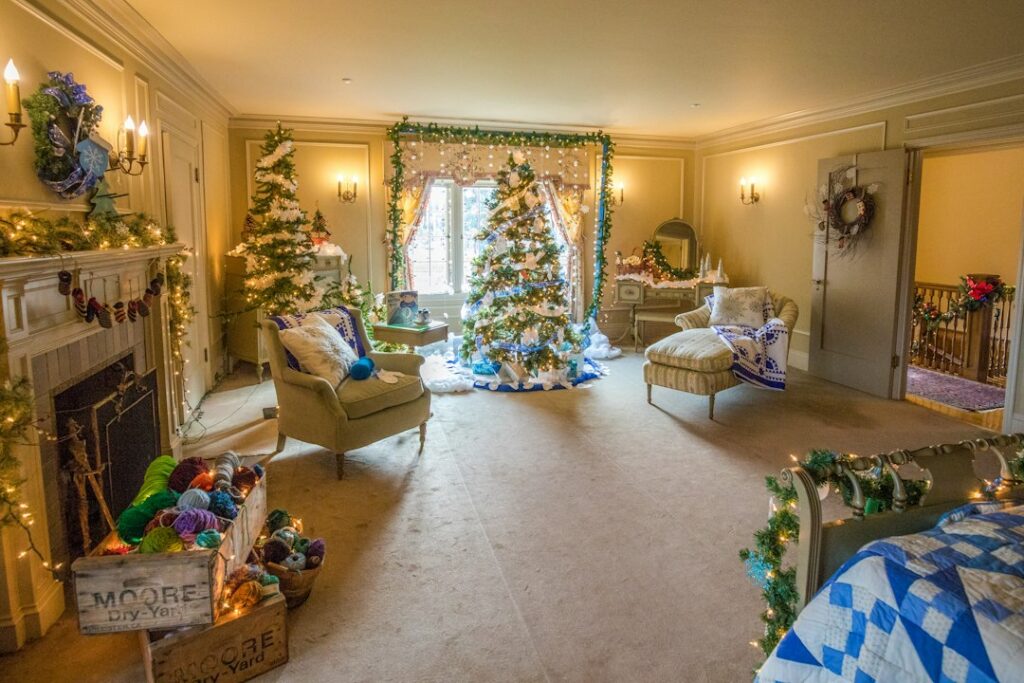
Holiday celebrations may look different from earlier years, but they can still provide connection and comfort. A resident might enjoy decorating a small tabletop tree, lighting an electric candle, watching a favorite seasonal movie, listening to traditional music, or sharing a recipe connected to family memories.
The goal is not to recreate every past tradition. It is to preserve the parts that still feel enjoyable and manageable.
What holiday activities work well in assisted living?
Activities should be flexible, familiar, and easy to join without pressure. Helpful options include:
- Decorating a common room or private apartment with lightweight, nonbreakable items
- Making greeting cards or simple ornaments
- Singing familiar songs or listening to holiday music
- Sharing family photographs and stories
- Watching seasonal films or televised services
- Hosting a small cookie decorating or craft activity
- Reading holiday stories, poems, or religious passages
- Holding a friendly game, trivia session, or puzzle hour
- Creating a memory table with photographs and meaningful objects
- Preparing a small gift for another resident, family member, or caregiver
Some residents may prefer watching activities rather than participating directly. That choice should be respected. A person who becomes tired easily may enjoy a short visit or one song more than a full afternoon event.
How can families visit during the holidays?
Family visits are often most successful when they are planned around the resident’s routine and stamina. Shorter visits may be more comfortable than a large gathering that lasts several hours.
Before visiting, families can ask about preferred times, quiet spaces, visitor limits, and any infection-control procedures in effect. Seasonal illnesses can spread quickly in shared living environments, so visitors who feel sick should postpone the visit, even if symptoms seem mild.
A visit may include:
- Looking through family albums
- Sharing a small, familiar dessert
- Reading to a resident
- Watching a favorite program together
- Bringing handwritten cards from relatives who cannot attend
- Taking a short indoor walk, if appropriate
- Calling relatives by phone or video when an in-person visit is not possible
For residents with memory loss, familiar voices and calm conversation may be more helpful than asking questions that require detailed recall. Talking about a photograph, song, or past tradition can create a comfortable opening for conversation.
What should families bring for holiday decorating?
Holiday decorations should be safe, simple, and suitable for the resident’s space. Battery-operated candles are generally safer than open flames, while breakable glass ornaments, loose cords, and unstable displays may create unnecessary risks.
Useful items may include:
- Small fabric or plastic decorations
- Battery-powered lights approved for indoor use
- A tabletop centerpiece with a stable base
- Family photographs
- Seasonal pillows or lap blankets
- Lightweight wreaths or wall decorations
- Familiar religious or cultural items
Decorations should not block hallways, exits, sprinkler heads, windows, or medical equipment. Electrical cords should be kept out of walking paths, and residents with vision or balance concerns may need especially uncluttered rooms.
In Charleroi, winter weather can bring cold temperatures, snow, ice, and reduced daylight. Families planning an outing should consider transportation conditions, wheelchair access, warm clothing, and the resident’s tolerance for travel before making arrangements.
How can holiday meals be made enjoyable and safe?
Holiday meals can be meaningful, but food choices may need to fit a resident’s medical needs, swallowing ability, allergies, and prescribed diet. Families should check dietary requirements before bringing homemade dishes or treats.
A resident may need food that is:
- Soft or easy to chew
- Cut into small pieces
- Lower in sodium, sugar, or fat
- Prepared without specific allergens
- Thickened or modified for swallowing safety
- Served in a smaller portion
A favorite food does not always need to be removed completely. In some cases, a small portion or modified version may allow the resident to enjoy the tradition safely. The appropriate choice depends on the person’s care plan and dietary instructions.
Alcohol also requires caution. Some medications interact with alcohol, and even a small amount may affect balance, alertness, or judgment. Families should not bring alcoholic beverages without checking first.
How can celebrations support residents with dementia?
People living with dementia may enjoy holidays, but crowded rooms, loud music, unfamiliar decorations, and frequent schedule changes can cause distress. A quieter celebration with fewer people may be more successful.
Helpful approaches include:

- Keeping decorations limited and familiar
- Introducing changes gradually
- Using soft lighting instead of flashing lights
- Offering one activity at a time
- Maintaining regular mealtimes and rest periods
- Avoiding arguments about dates, traditions, or memories
- Watching for signs of fatigue, anxiety, or overstimulation
A resident may not remember the details of a celebration later but can still experience comfort during it. Warm conversation, music, touch with permission, and familiar scents may support a positive emotional experience even when short-term memory is impaired.
How should cultural and religious traditions be included?
Holiday planning should make room for different faiths, cultures, and personal beliefs. Not every resident celebrates the same holidays, and some may observe a holiday privately rather than through group activities.
Residents and families can share preferences about:
- Religious services or readings
- Dietary traditions
- Music and decorations
- Prayer or meditation
- Modesty and personal boundaries
- Family customs
- Holidays that are meaningful even if they are not widely observed
Participation should always be voluntary. A resident who does not celebrate a particular holiday should have an equally respectful experience without being pressured to join.
What if a resident feels lonely during the holidays?
Holiday sadness is common, especially for residents who are grieving, separated from family, or adjusting to assisted living. Cheerful activities do not remove those feelings, and residents should not be expected to appear happy.
Quiet support may include listening without trying to change the subject, looking at photographs, arranging a phone call, or helping the resident maintain a personal tradition. Some people prefer to talk about someone they have lost; others may want a normal conversation unrelated to the holiday.
Families can also send cards, recorded messages, drawings from children, or familiar music. Small, consistent contact may feel more meaningful than one large visit.
What should residents discuss before a holiday event?
Residents should feel comfortable sharing preferences about noise, visitors, food, religious observance, decorations, and rest. A simple conversation with family members and care staff can prevent misunderstandings.
It may help to decide:
- Which activities are enjoyable
- How long visits should last
- Who may visit
- What foods are safe
- Which traditions matter most
- What signs indicate the resident needs a break
- Whether travel is realistic in winter weather
- Where personal decorations may be placed
A comfortable holiday does not require a packed calendar. For many residents, the best celebration includes familiar people, manageable activities, safe surroundings, and enough quiet time to rest.
